Honest, useful guides
Solflare is a Solana wallet built around Magic AI guidance and Shield hardware protection
Solana wallet for holding, trading, staking, and spending SOL, with Magic AI assistant tools built into its mobile and browser apps.
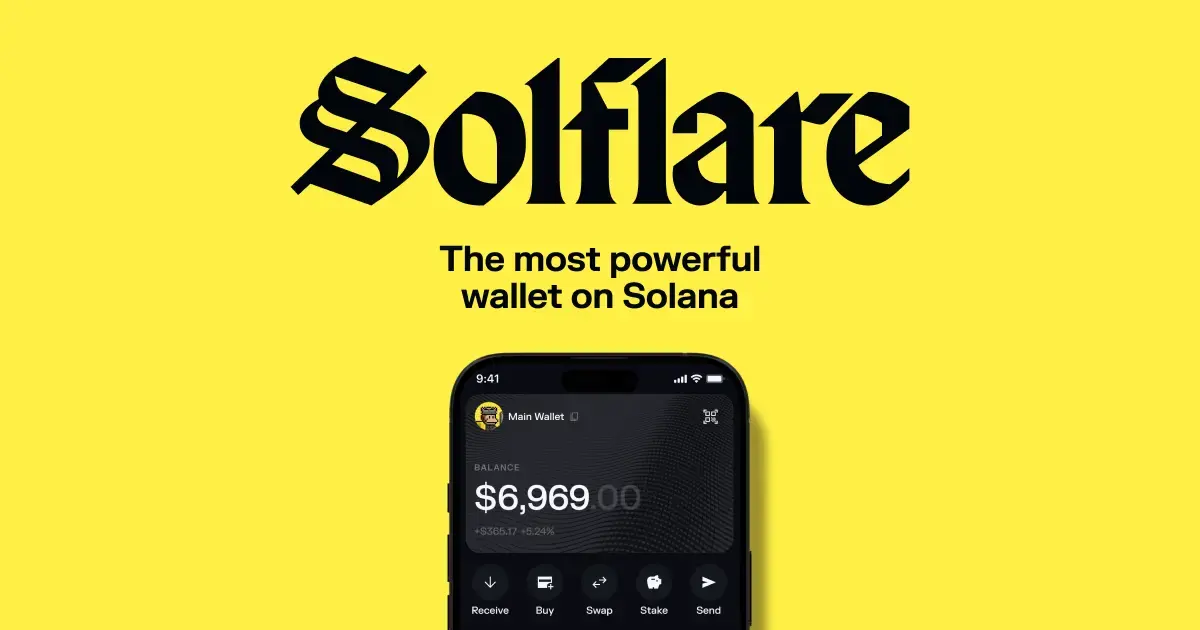
Solflare is a self-custody wallet for Solana users who want everyday portfolio access, built-in AI assistance, and stronger transaction protection from a dedicated hardware wallet layer. It holds SOL and Solana tokens, supports staking and trading, connects to Solana apps, shows token prices, and adds Magic as an assistant for wallet tasks while Shield brings a hardware-backed approval flow to high-value activity.
This page takes the practical angle: how the wallet feels when a user moves from simple balance checking into staking, swaps, app connections, and spending. The important distinction is the combination of a mobile app, browser extension, AI guidance, and hardware defense in one Solana-native environment rather than a generic multi-chain wallet screen.
Magic AI turns wallet data into actions
Magic is the assistant layer inside Solflare, designed to make wallet activity easier to understand before a user commits to a transaction. A Solana wallet shows balances, token symbols, app prompts, price changes, staking positions, and contract requests; the assistant gives users a clearer way to interpret that context without leaving the wallet interface.
The value is strongest during moments that already require attention. A swap quote needs comparison against the token being sold, the token being received, and the final confirmation screen. A staking decision needs the user to recognize lockup behavior, validator choice, and reward accrual. A dApp prompt needs a human-readable check of what the connected app is asking the wallet to sign.
AI inside a wallet does not replace judgment. It acts like an extra reading layer over transaction details, market movements, and account activity. The user still approves with their own key, but the screen becomes less cryptic, especially for people who understand SOL yet dislike parsing every raw wallet prompt by hand.
Shield adds a hardware checkpoint for serious balances
Shield is the hardware wallet side of the product, built for users who want a stronger boundary around signing. A browser extension or phone app is convenient, but daily devices also carry risk from malicious sites, compromised downloads, distracted approvals, and rushed confirmations. A hardware signing step separates the most sensitive authorization from the device used for browsing and trading.
That matters on Solana because transactions settle quickly and app interactions are frequent. Token swaps, NFT listings, staking changes, and DeFi approvals move through compact confirmation flows. Shield gives larger balances and longer-term holdings a dedicated approval path, so a user can keep convenience for routine viewing while reserving stronger verification for meaningful transactions.
Where the mobile app, extension, and checkout fit together
The mobile app suits scanning, transfers, account checks, staking follow-up, and card-related spending. The browser extension suits desktop trading, dApp connections, and fast interaction with Solana-based services. Together they cover the normal pattern of a crypto user who reads prices on a phone, explores an app on a laptop, and needs the same wallet identity available in both places.
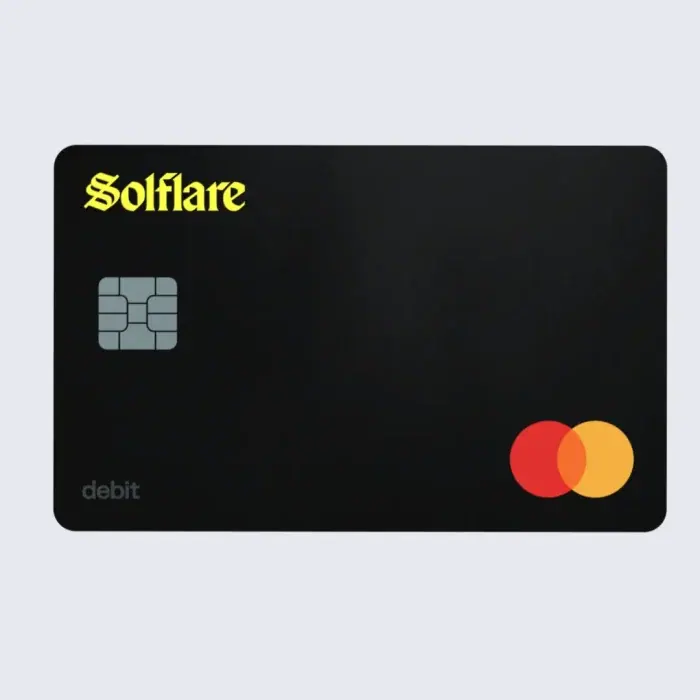
Solflare also presents cards as part of its product set, which moves the wallet beyond storage and into spending. That does not turn SOL or tokens into ordinary cash inside the wallet interface; it gives users a path from on-chain assets toward real-world checkout flows. The useful detail is continuity: holdings, trading, staking, and spending sit near the same account experience.
Trading and staking share the same Solana account context
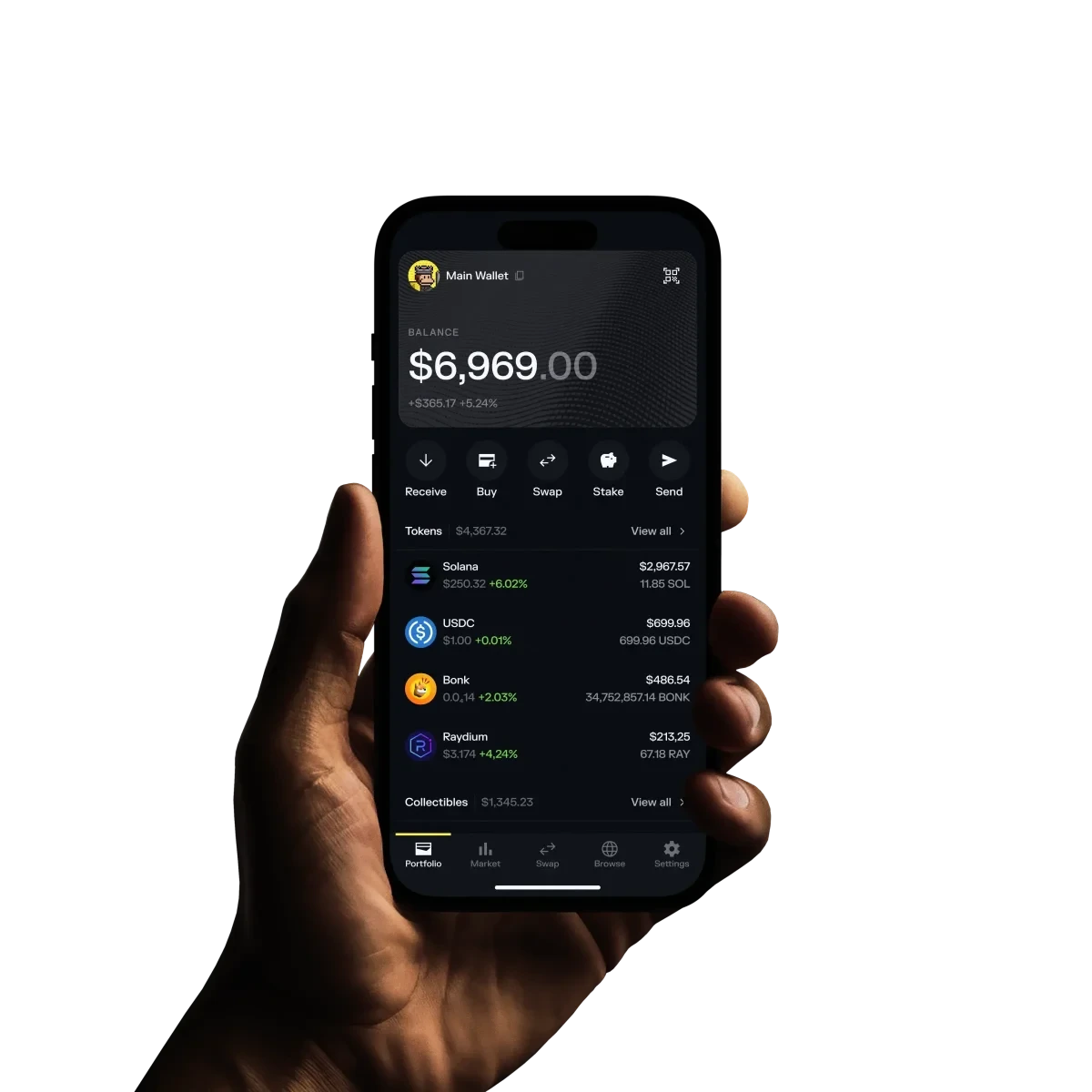
Many users treat trading and staking as separate jobs, but a Solana wallet joins them through one account model. SOL pays network fees, appears as the native asset, and also powers staking. Token swaps and DeFi activity use the same address, so the wallet needs to show liquid balances, staked positions, token price movement, and open app connections without making the account feel fragmented.
Inside Solflare, the trading angle centers on Solana tokens and fast confirmations. The staking angle centers on putting SOL to work through validators while retaining visibility in the wallet. Those workflows appeal to different habits: some users check markets daily, while others stake and monitor less often. The interface has to serve both without burying the signing details that matter.
A first setup that avoids messy account habits
Getting started works best when the user separates setup from experimentation. Install the mobile app or browser extension, create or import the wallet, secure the recovery phrase offline, and confirm that SOL is available for network fees before connecting to apps. That sequence prevents the most common early problem: trying to trade or interact before the account has enough SOL to pay transaction costs.
A clean starter routine looks like this:
- Create the wallet in the app or extension and store the recovery phrase offline.
- Add a small amount of SOL before making swaps or app connections.
- Check token prices and balances before approving a trade.
- Use staking only after choosing how much SOL should remain liquid.
- Reserve Shield-style hardware approval for accounts that hold meaningful value.
This approach keeps the first session focused. Solflare becomes easier to evaluate when the user is not mixing setup, funding, staking, trading, and dApp testing all at once.
Transaction screens deserve attention before every approval
Security in a Solana wallet is mostly about signing the right thing. A seed phrase must remain private, but daily risk comes from approvals: connecting to an unknown app, accepting a confusing token prompt, signing a transaction without reading the asset movement, or assuming a familiar logo proves legitimacy. One mistaken signature is enough to create a bad outcome.
Magic and Shield address different parts of that problem. Magic helps interpret what the wallet is showing. Shield raises the bar for final authorization. Human support adds another channel when something looks unfamiliar or broken. None of these features changes the basic rule that the signer is responsible for the approval, which is why a readable confirmation screen is more than a design detail.
Phantom, Backpack, and Glow as real Solana alternatives
Solana users often compare wallets by ecosystem depth, app support, and signing experience. Phantom is widely used across Solana and other chains, with a polished interface that many dApps recognize quickly. Backpack is closely associated with xNFT-style experiences and the Mad Lads ecosystem. Glow has focused on a clean Solana wallet experience, especially for users who prefer simpler screens.
Typically, Solflare stands apart when the priority is a Solana-first wallet with staking, trading, token prices, card features, Magic AI, and Shield hardware protection under one product family. A user who wants the broadest recognition across crypto apps may lean toward the most common wallet in their circles. A user who wants a wallet built specifically around Solana workflows has a clear reason to compare this one closely.
When the Magic and Shield angle matters most
The combined assistant-and-hardware story matters after a wallet becomes more than a small test account. A user who holds SOL, stakes part of it, trades Solana tokens, connects to several dApps, and considers card spending needs more than a balance viewer. They need readable context, predictable signing, market awareness, and a stronger approval layer for decisions that carry real cost.
That is the narrower reason Solflare deserves attention. It is not merely another place to see a Solana address. It is a wallet environment where AI assistance, staking controls, token trading, hardware-backed approvals, and mobile spending tools meet the daily behavior of an active Solana user.
Things people ask about Solflare
Does the Magic AI assistant sign transactions for me?
No. Magic is an assistant layer for understanding wallet activity, market context, and transaction details; it does not take ownership of the private key or approve transactions on its own. The user still reviews and signs through the wallet. Treat it as a readability and guidance feature, especially useful when a token swap, staking action, or dApp request needs a clearer explanation before approval.
Can I use Shield only for larger transactions?
Yes, that is the practical reason to use a hardware-backed approval path. Many users keep day-to-day viewing and smaller actions in the mobile app or browser extension, then reserve stronger signing protection for accounts that hold more SOL or higher-value tokens. The exact workflow depends on the setup chosen, but the goal is to separate sensitive approvals from casual browsing activity.
Which devices work best for the Magic and Shield workflow?
The strongest setup uses the browser extension for desktop dApps, the mobile app for quick account checks and spending-related activity, and Shield for hardware-backed signing. That mix fits users who move between a laptop and phone during the day. Someone who only sends occasional transfers can stay simpler, while active traders and stakers benefit from having both app access and stronger approval hardware.
Fees on Solflare swaps and staking actions come from where?
Solana network fees are paid in SOL whenever a transaction is submitted. Swaps also reflect the quoted trading route, token liquidity, and price movement between quote and execution. Staking actions use Solana transactions as well, so the wallet needs a small liquid SOL balance even when most holdings are staked. Keeping a little SOL unstaked prevents failed transactions caused by an empty fee balance.
Is the browser extension enough for staking SOL?
Yes, the browser extension is enough for many staking workflows as long as the wallet has SOL for fees and the user understands how much SOL should remain liquid. The mobile app is useful for monitoring, and hardware-backed approval adds another layer for larger balances. Staking should be treated as an account management choice, not a one-click setting to forget forever.